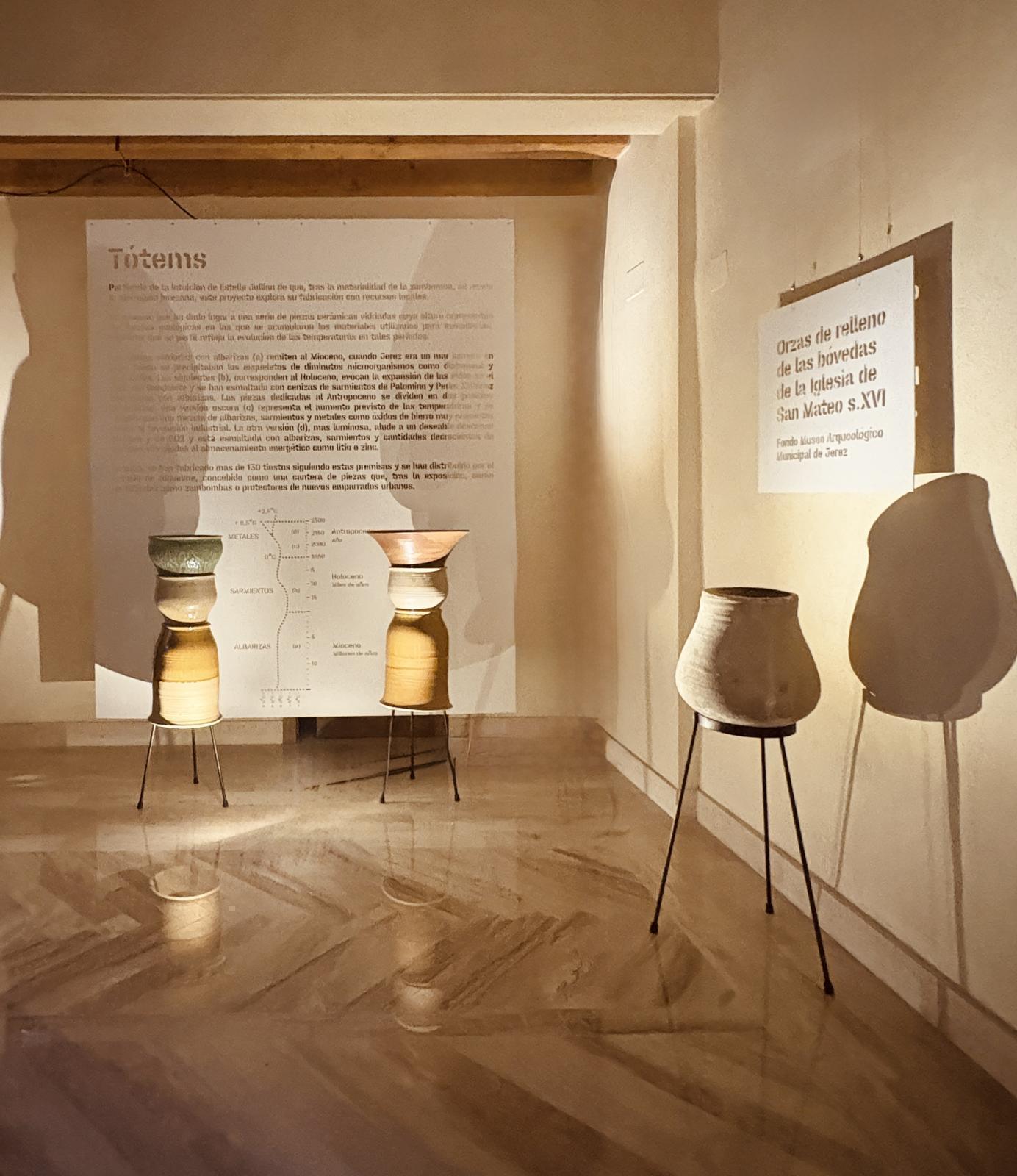
TÓTEMS
Partiendo de la intuición de que, tras la materialidad de la zambomba, se revela la biorregión jerezana, este proyecto explora el uso de recursos locales para su fabricación.
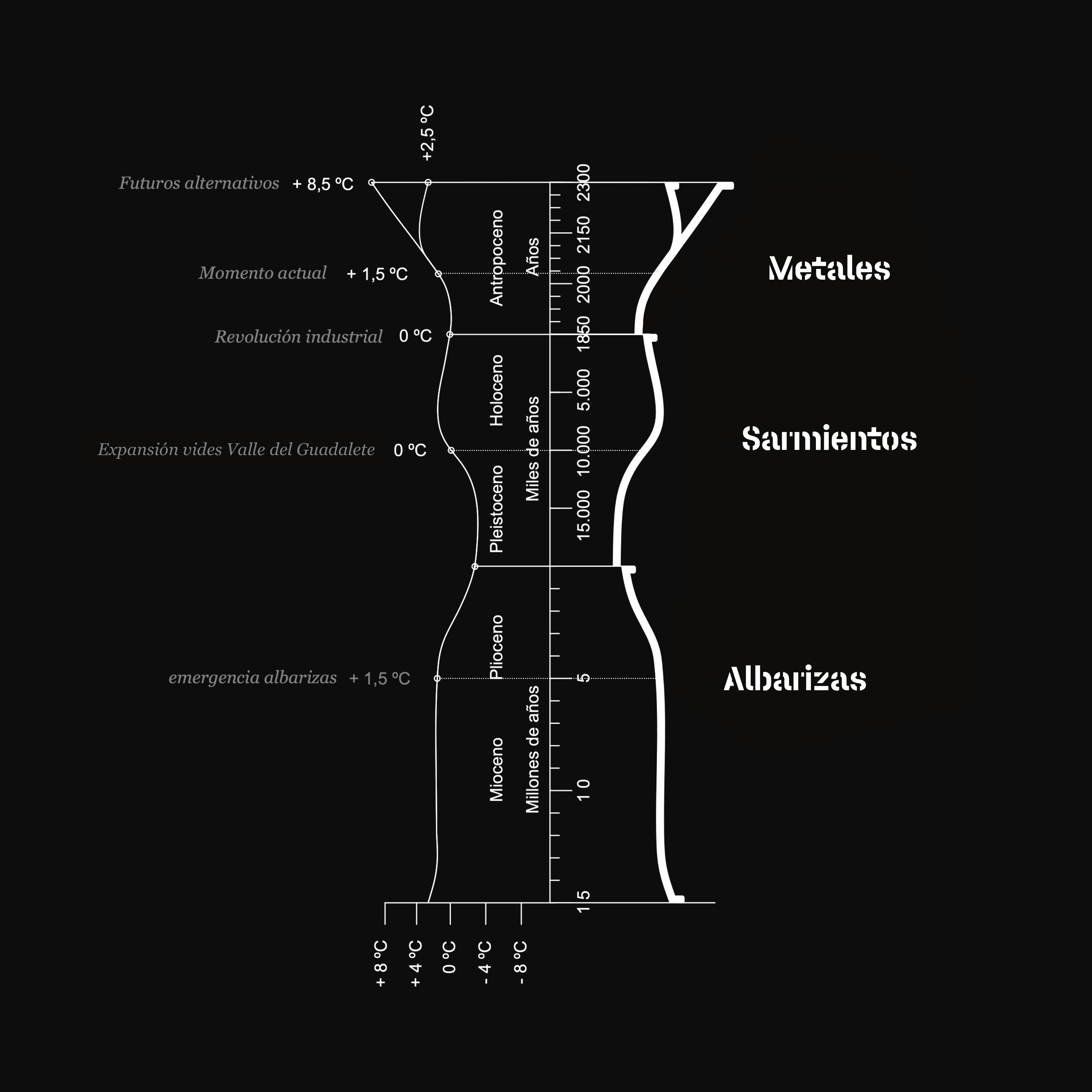
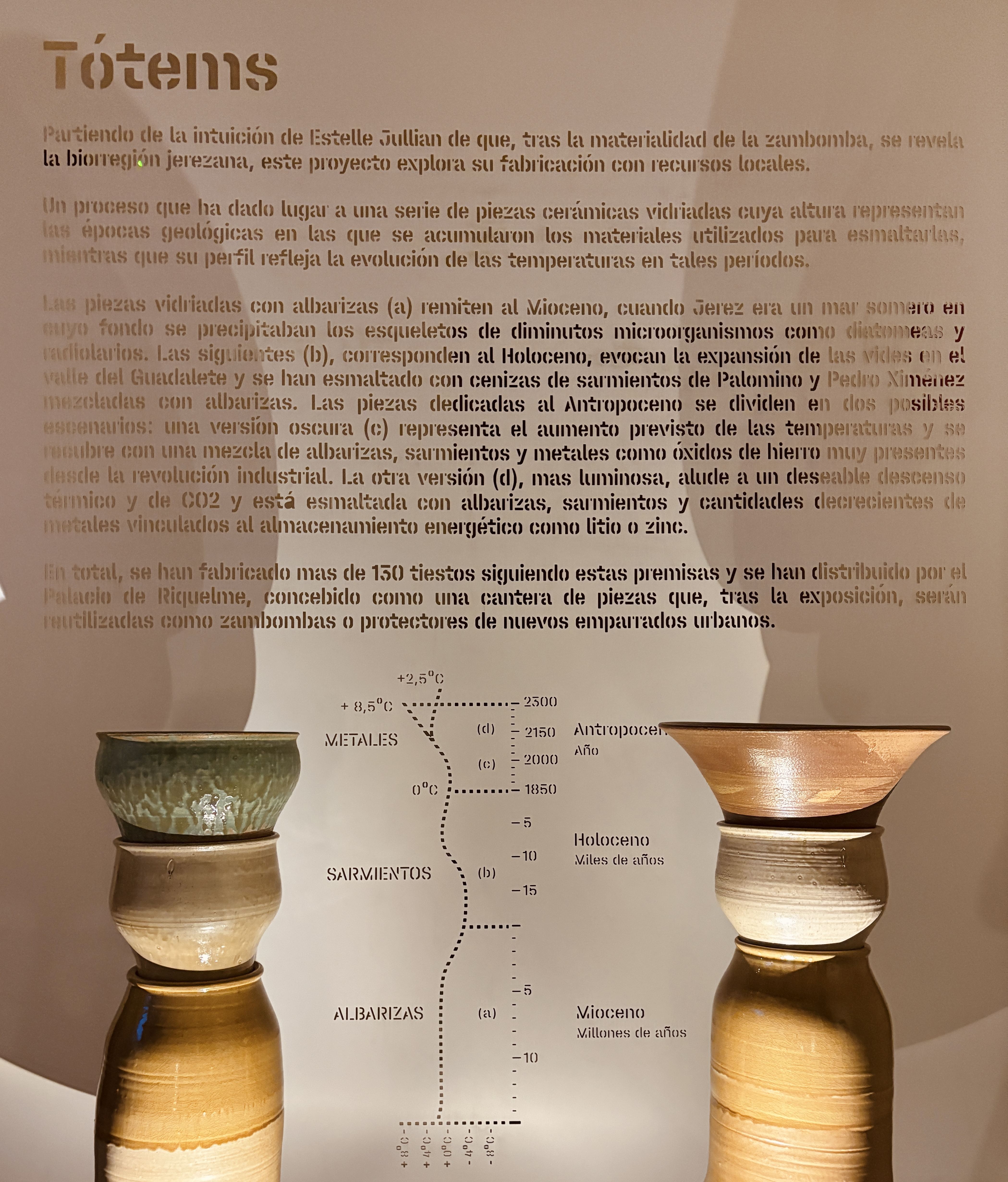
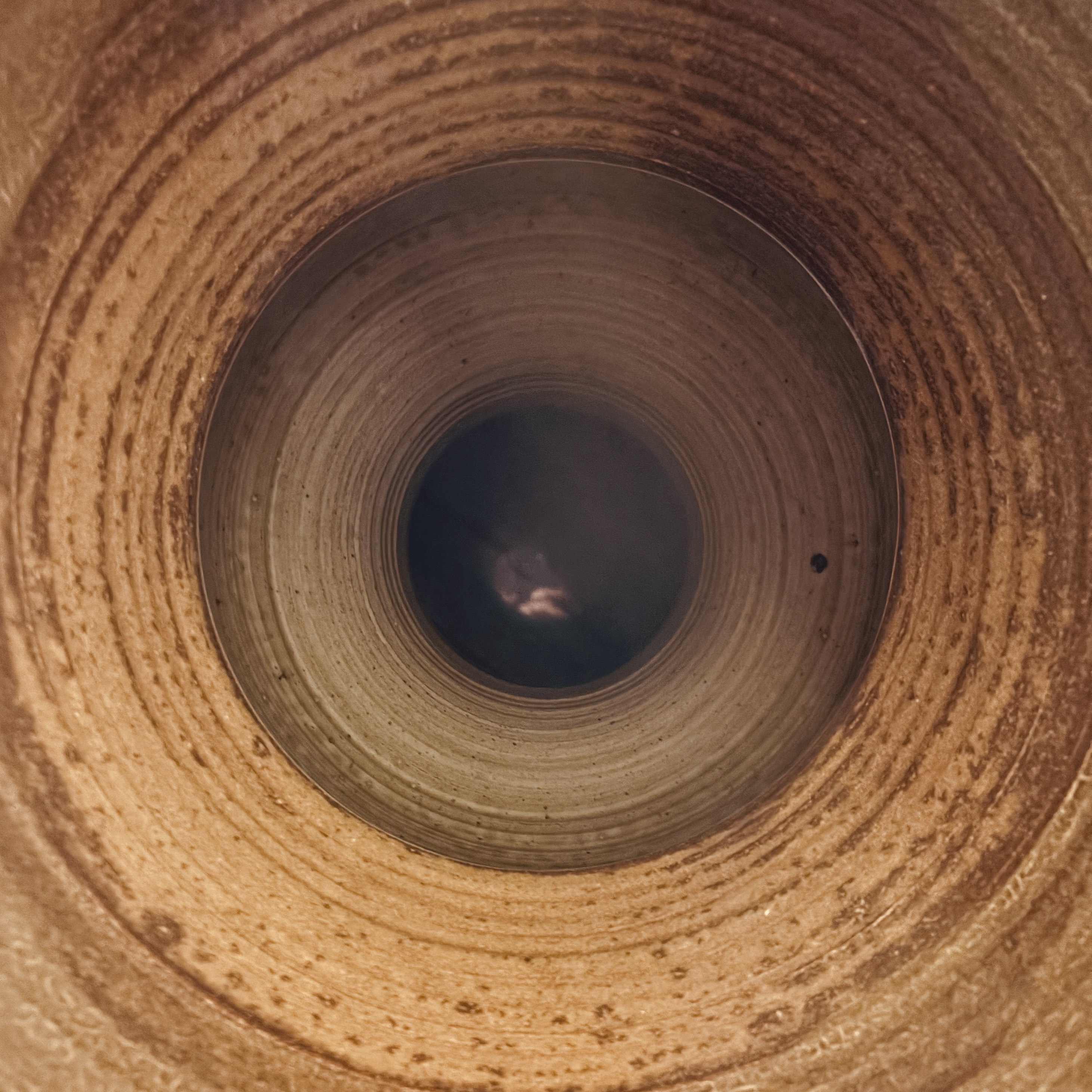
Un proceso que ha dado lugar a una serie de piezas cerámicas vidriadas cuya altura representa las épocas geológicas en las que se acumularon los materiales utilizados para esmaltarlas, mientras que su perfil refleja la evolución de las temperaturas a lo largo de dichos periodos.
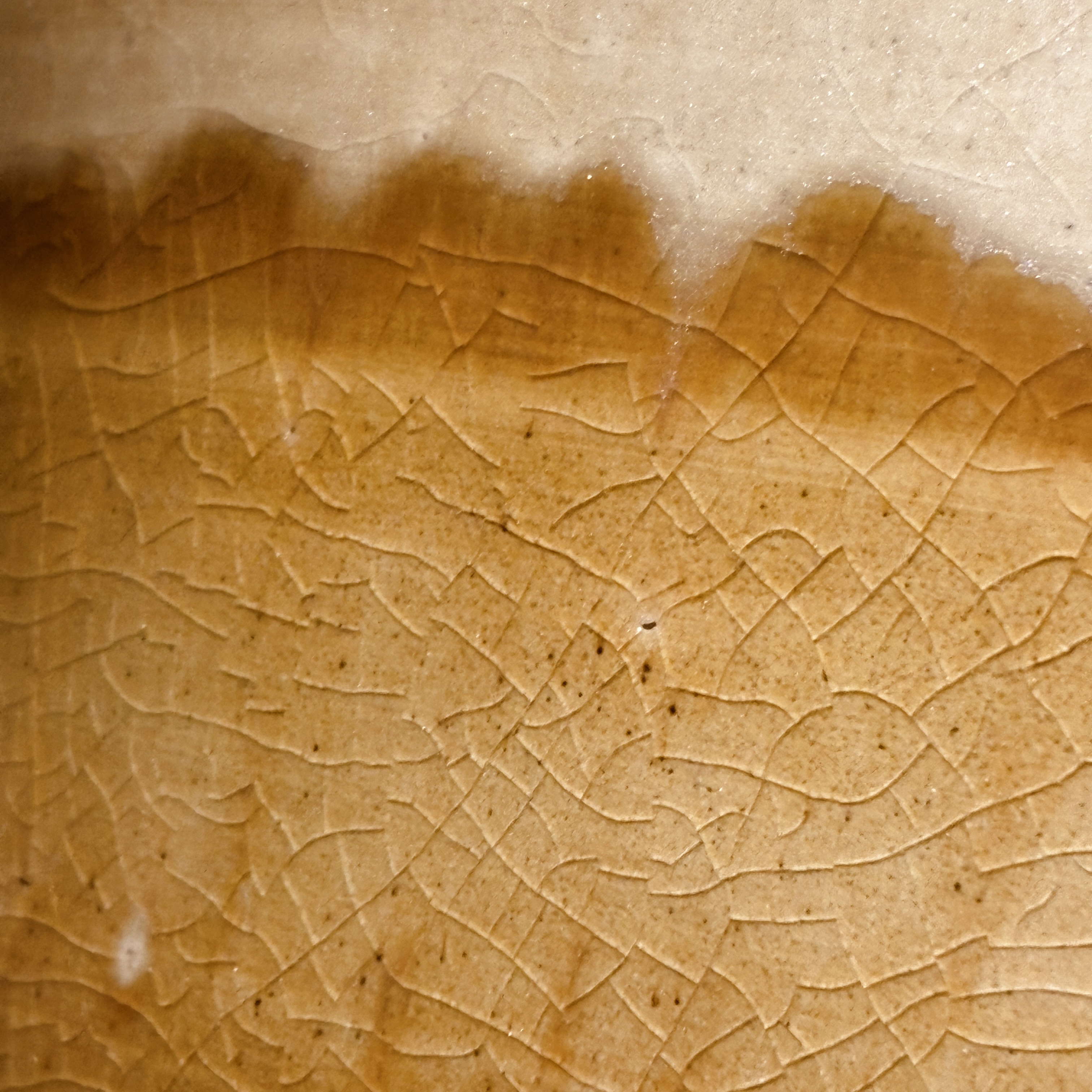
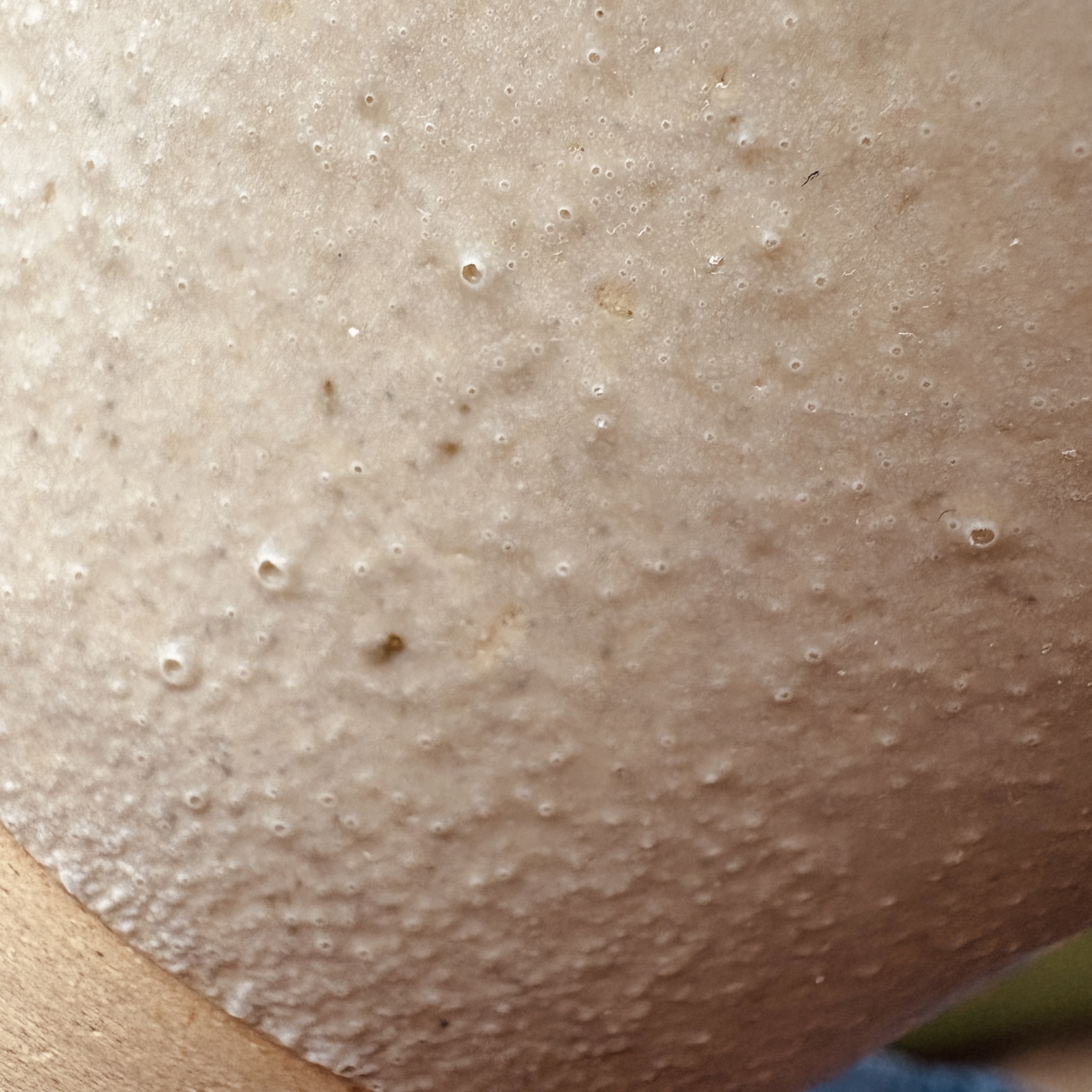
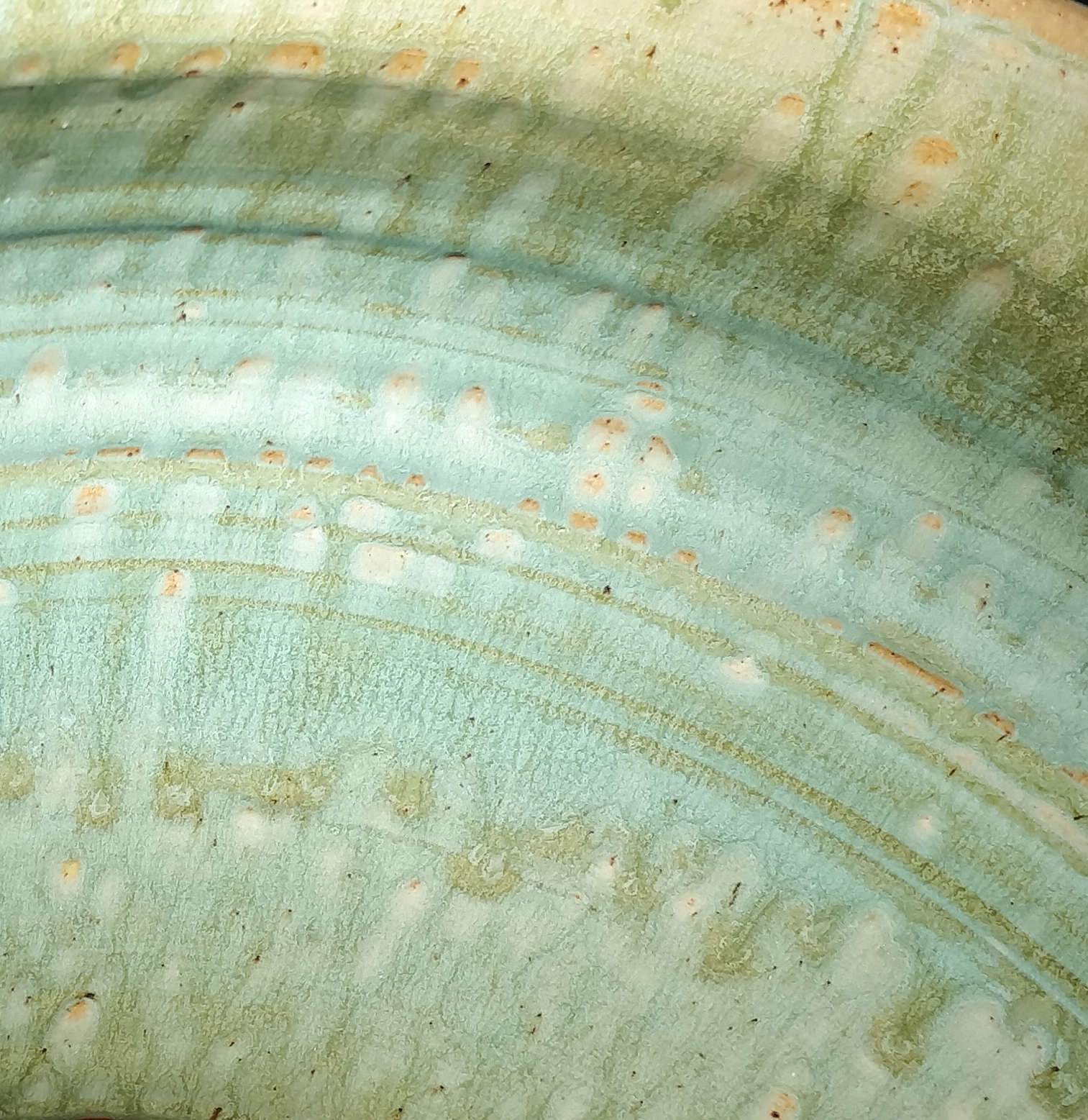
Las piezas vidriadas con albarizas remiten al Mioceno, cuando Jerez era un mar somero en cuyo fondo se precipitaban los esqueletos de diminutos microorganismos como diatomeas y radiolarios. Las siguientes, corresponden al Holoceno, evocan la expansión de las vides en el valle del Guadalete y se han esmaltado con cenizas de sarmientos de Palomino y Pedro Ximénez mezcladas con albarizas. Las piezas dedicadas al Antropoceno se dividen en dos posibles escenarios: una versión oscura, que representa el aumento previsto de las temperaturas, se recubren con una mezcla de albarizas, sarmientos y metales como óxidos de hierro muy presentes desde la revolución industrial. La otra versión, más luminosa, alude a un deseable descenso térmico y de CO2 y se ha esmaltado con albarizas, sarmientos y cantidades decrecientes de metales vinculados al almacenamiento energético como litio o zinc.
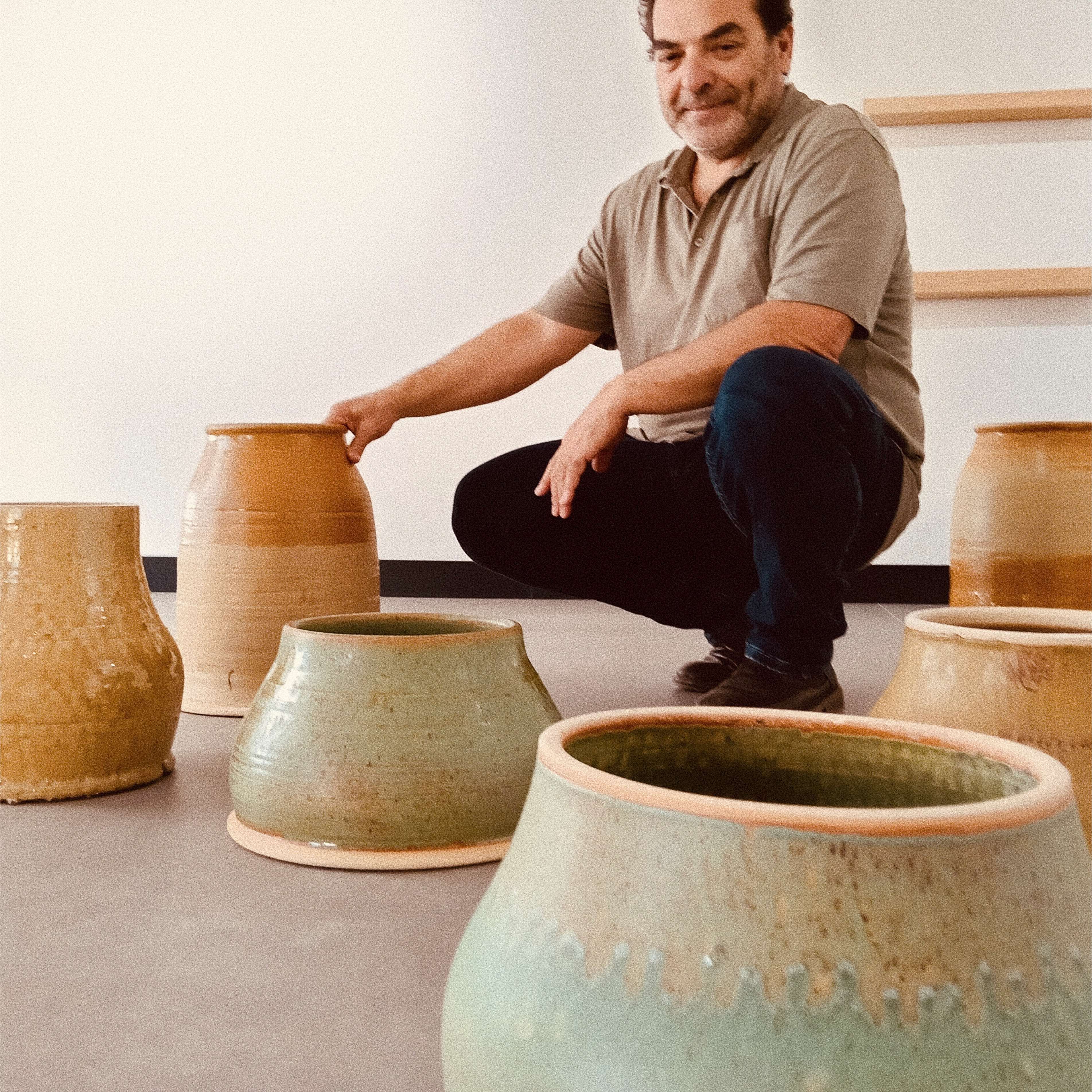
En total, se han fabricado más de 120 tiestos siguiendo estas premisas y se han distribuido por el Palacio Riquelme, concebido como una cantera de piezas que, tras la exposición, serán reutilizadas como zambombas o protectores de nuevos emparrados urbanos.
***
TOTEMS
Based on intuition that the Jerez bioregion is revealed behind the materiality of the zambomba, this project explores the use of local resources in its manufacture.
This process has resulted in a series of glazed ceramic pieces whose height represents the geological periods in which the materials used to glaze them accumulated, while their profile reflects the evolution of temperatures throughout those periods.
The pieces glazed with albariza clay refer to the Miocene, when Jerez was a shallow sea at the bottom of which the skeletons of tiny microorganisms such as diatoms and radiolarians precipitated. The following pieces correspond to the Holocene, evoking the expansion of vines in the Guadalete valley, and have been glazed with ashes from Palomino and Pedro Ximénez vine shoots mixed with albariza clay. The pieces dedicated to the Anthropocene are divided into two possible scenarios: a dark version, representing the predicted rise in temperatures, is covered with a mixture of albariza, vine shoots and metals such as iron oxides, which have been very present since the industrial revolution. The other, brighter version alludes to a desirable decrease in temperature and CO2 and has been glazed with albariza clay, vine shoots and decreasing amounts of metals linked to energy storage, such as lithium and zinc.
In total, more than 120 pots have been made following these guidelines and distributed throughout the Palacio Riquelme, conceived as a quarry of pieces that, after the exhibition, will be reused as zambombas (traditional Christmas drums) or protectors for new urban vineyards.
 Powered by